
Based on Permaculture Principles
Our approach goes beyond aesthetics: it’s about building resilience, fostering community connections, and cultivating landscapes that are productive, regenerative, and life-supporting. Every project we undertake demonstrates how humans can work with nature, rather than against it, creating spaces that enrich both people and the planet.


1. Observe + Interact
At Smart Yards Co-op, we encourage you to slow down and engage deeply with your environment. This principle allows us to design personalized solutions that resonate with your specific circumstances, integrating the life in your garden with the lives in your home and community. Through careful observation, we help you gain new perspectives on the inter-connectedness of your living space.


2. Catch + Store Energy
Living sustainably means recognizing Earth’s abundant energy and finding innovative ways to capture and store it. Your garden is a vital component in renewing and restoring the energy of natural ecosystems—which includes your family. We design gardens that are not only beautiful but also functional, providing spaces for relaxation and rejuvenation to energize your daily life.


3. Obtain a Yield
Permaculture revolves around three core ethics: earth care, people care, and fair share. We assist you in achieving tangible yields, whether through an organic vegetable garden that provides food, or through creating environments that foster improved health, joy, and well-being.


4. Apply Self-Regulation + Accept Feedback
Effective change requires self-regulation and openness to feedback. By examining your lifestyle choices and their alignment with sustainable living, we empower you with the knowledge to make adjustments. This self-assessment extends to every aspect of your life, questioning whether actions are beneficial for you, your family, and the planet.


5. Use and Value Renewable Resources and Services
By prioritizing renewable resources such as solar, wind, and water, and steering clear of wasteful practices, you contribute to a healthier planet and achieve self-sufficiency. Techniques like installing greywater systems exemplify how we can reduce waste and maximize resource efficiency, benefiting garden, budget, and much more.


6. Produce No Waste
Linked closely with valuing renewable resources, the goal of producing no waste is central to permaculture. Every output can be transformed into an input for another process, ensuring that resources are fully utilized and nothing is squandered.


7. Design from Patterns to Details
Observing the larger patterns in nature and society helps to inform the design of your garden. We consider your family’s daily routines and environmental interactions to tailor a garden that truly fits your needs and desires.


8. Integrate Rather than Segregate
Integration fosters strength and resilience. In your garden, as in your community, bringing together diverse elements creates a more dynamic and robust system. We design spaces that reflect this principle, promoting a cohesive environment where every element supports the others.


9. Use and Value Diversity
Diversity is a strength that should be embraced. Just as ecosystems thrive with a variety of species, human communities benefit from the integration of diverse perspectives and skills. Our designs reflect this principle, ensuring that your garden and living spaces are as varied and vibrant as the community around them.


10. Use Small and Slow Solutions
Small and manageable steps lead to sustainable change. We implement solutions that can be easily integrated into your lifestyle, focusing on local, recyclable, and reusable resources. This approach not only makes the transition to sustainability easier but also ensures that the changes are enduring.

11. Use Edges and Value the Marginal
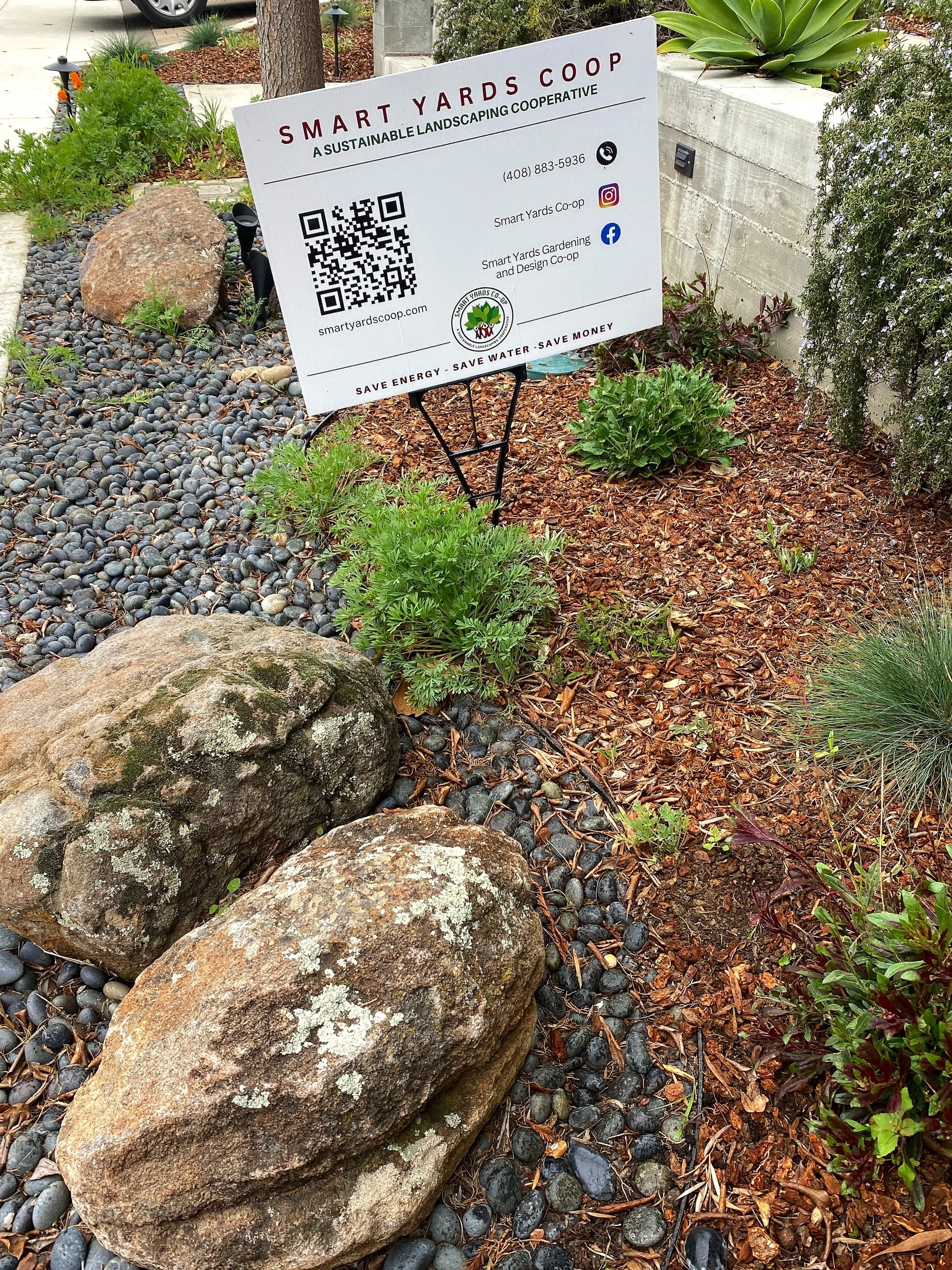
Often, the most interesting and productive parts of a system are where different elements meet. We specialize in recognizing and utilizing these 'marginal' spaces—such as the areas between your sidewalk and street—to create productive and attractive landscapes.


12. Creatively Use and Respond to Change
Acknowledging and adapting to change is essential for long-term resilience. We design with the future in mind, preparing your garden and home to adapt to seasonal shifts, evolving trends, and community changes. This forward-thinking approach ensures that your space remains relevant and resilient.